27 October 2026
Can Dental Crowns Get Cavities?
Presented by @johnathanekib164
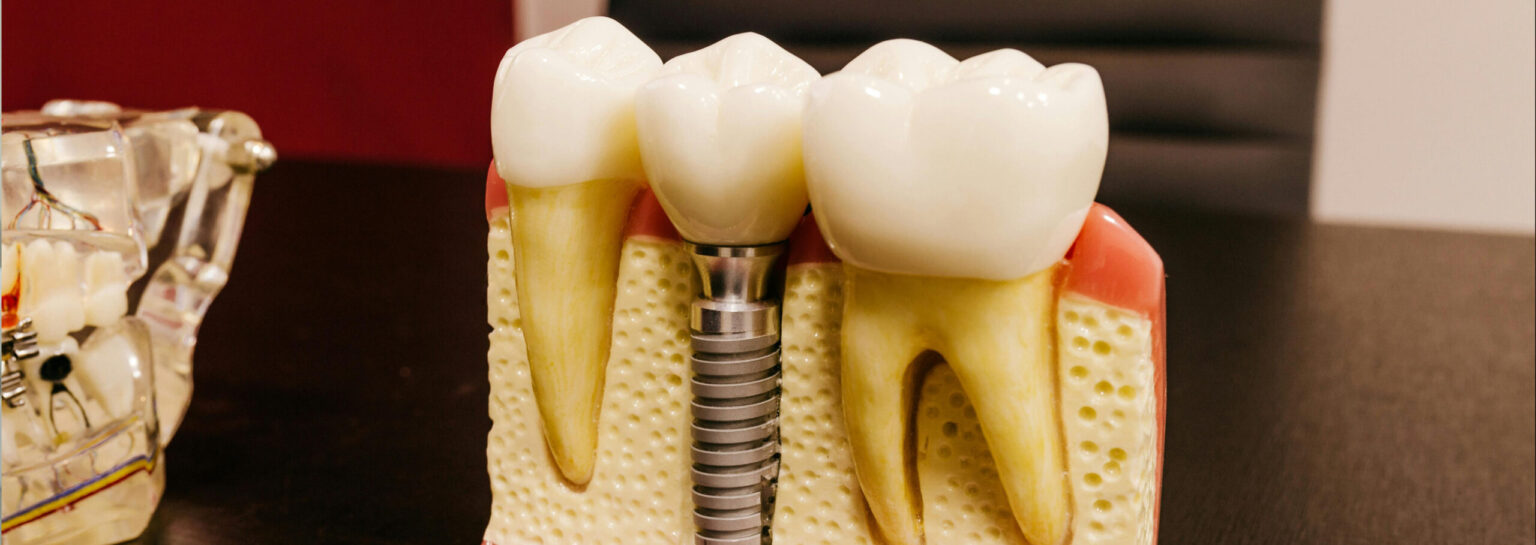
It is a fair question, and one I hear often in dental offices: if a tooth has a crown on it, can it still get a cavity?
The short answer is yes, but not in the way most people imagine.
A dental crown itself does not decay. Porcelain, ceramic, zirconia, and metal do not form cavities. What can happen is decay in the natural tooth structure underneath or around the edges of the crown. That distinction matters, because it shapes how dentists diagnose the problem, how patients can prevent it, and what treatment looks like when trouble starts.
Many people assume a crowned tooth is sealed off for good, almost like a helmet bolted onto the tooth. In reality, a crown is a carefully fitted restoration bonded or cemented onto prepared tooth structure. It can last a long time, often well over a decade with good care, but it still depends on the health of the remaining tooth and the condition of the margin where the crown meets the natural tooth.
That meeting point is where most of the real story lives.
What a crown actually protects, and what it does not
A crown covers and reinforces a damaged tooth. Dentists place crowns for several common reasons: after a root canal, when a tooth has a large filling and not much structure left, when a tooth is cracked, or when function and appearance both need restoration.
The crown takes over much Dental Crowns of the chewing load. It can protect weakened tooth structure from fracture and restore shape, contour, and bite. What it does not do is make the underlying tooth biologically invincible.
Even the best crown ends at a margin. Somewhere, the artificial material stops and your natural tooth begins. That border may sit right at the gumline, slightly above it, or slightly below it depending on the case. Plaque loves borders, crevices, and sheltered areas. If oral hygiene slips, bacteria can collect there, feed on sugars, produce acid, and demineralize the exposed tooth structure.
This is why a patient can be told, years after getting a beautiful crown, that there is “decay under the crown.” The crown did not rot. The tooth did.
Why crowned teeth still develop decay
From a clinical standpoint, decay around crowns usually develops for predictable reasons. It is not random bad luck, though some mouths are certainly higher risk than others.
The first factor is plaque retention at the crown margin. If a margin is rough, bulky, hard to floss, or tucked where a toothbrush rarely reaches, it becomes a perfect hiding place. Over time, the bacteria there behave exactly as they would on any other tooth surface.
The second factor is age and wear of the cement seal. Dental cements are durable, but they do not create magic. Years of chewing, thermal changes from hot coffee and iced drinks, grinding, and ordinary oral chemistry can slowly stress the interface. A crown does not usually “come unglued” all at once. More often, the changes are subtle. Microscopic gaps can form, or margins can become exposed as gums recede.
The third factor is the condition of the patient’s mouth as a whole. A person with dry mouth, heavy plaque, frequent snacking, uncontrolled reflux, or high intake of sugary beverages will always face more decay risk, crown or no crown. Saliva matters more than many people realize. It buffers acid, helps remineralize enamel, and clears food debris. Patients taking certain medications, especially those that reduce saliva flow, often run into recurrent decay around older restorations.
Then there is the simple fact that some crowned teeth started out in a compromised position. If very little natural tooth remained when the crown was placed, the restoration may have done excellent service for years, but there may not have been much margin for error. Once recurrent decay starts in such a tooth, the amount of healthy tooth left to save can shrink quickly.
The most common place cavities form around dental crowns
When dentists talk about decay associated with crowns, they are usually describing recurrent decay or secondary decay at the margin. That means new decay forming at the edge of an existing restoration.
This tends to occur in one of two zones.
The first is right at the gumline, where plaque tends to linger and where patients often miss with brushing. If the gum is inflamed and bleeds, people sometimes brush that area less aggressively because it feels sore. Unfortunately, that is exactly where better cleaning is needed.
The second is between teeth. Interproximal decay around crowns is common because the area is out of sight and easy to neglect. Many patients brush faithfully and still skip flossing or alternatives like interdental brushes or water flossers. A crowned molar can look fine from the cheek side and still have a hidden cavity between it and the next tooth.
Dentists often detect these problems on bitewing X-rays before the patient feels much of anything. That surprises people. They think that if something serious were happening, it would hurt. Not always. Decay can progress quietly, especially around a tooth that already had a root canal and no longer has normal nerve sensation.
Signs that something may be wrong
A cavity around a crown is not always obvious, but certain patterns raise suspicion. Patients often describe a change rather than a dramatic event. Food begins catching where it never used to. Floss shreds. The crown starts feeling “different” when biting or tapping.
Watch for these signs:
- sensitivity near the gumline, especially to cold or sweets
- bleeding or persistent inflammation around one crowned tooth
- bad taste or odor localized to that area
- floss catching, tearing, or sliding under the edge strangely
- a loose crown, pressure when chewing, or a dark line near the margin
None of these signs proves there is decay, but they justify an exam. Sometimes the issue is a chipped porcelain edge, recession exposing root surface, or cement washout rather than active caries. Either way, it is worth checking early. Small problems around a crown are easier to manage than advanced ones.
How dentists tell whether a crown has a cavity under it
Diagnosis is part detective work. A dentist will look at the crown margin, probe gently around it, evaluate the gum health, and ask whether the tooth has symptoms or a history of root canal treatment. X-rays are often essential, though they do not reveal every defect. Some materials, especially certain ceramics, can make interpretation harder than patients expect.
If the crown margin is clearly open, soft tooth structure is present, or decay shows on radiographs, the recommendation is straightforward. In other cases, the picture is less clean. A margin may look slightly stained but still be firm and stable. Staining alone is not the same as decay.
This is where clinical judgment matters. Replacing every old crown at the first sign of discoloration is not conservative dentistry. On the other hand, waiting too long on a suspicious margin can allow a restorable tooth to become non-restorable.
Experienced dentists tend to weigh several details at once: the patient’s cavity risk, how old the crown is, whether the tooth already has extensive buildup, the quality of the existing fit, and whether symptoms or radiographic changes are progressing. Good dentistry often lives in those shades of gray.
Do certain crown materials resist cavities better?
Patients sometimes ask whether porcelain crowns get fewer cavities than metal crowns, or whether zirconia somehow prevents decay better than other options. The honest answer is that the material itself matters less than the fit of the crown, the contour, the quality of the margin, and the patient’s oral environment.
A beautifully fitted porcelain crown in a low-risk patient can perform wonderfully for many years. A poorly contoured zirconia crown in a mouth with heavy plaque and dry mouth can fail much sooner. Material choice matters for strength, esthetics, wear on opposing teeth, and laboratory design, but no crown material immunizes the remaining tooth against bacterial attack.
That said, highly polished surfaces generally attract less plaque than rough ones, and well-made restorations with smooth contours are easier to keep clean. This is one reason finishing quality matters so much. A crown can be technically “on the tooth” and still be much harder to maintain if it is overbulked near the gumline.
When the tooth has had a root canal
Root canal treated teeth deserve special mention. Many crowned teeth have already undergone root canal treatment, and patients sometimes assume that means they are safe from future trouble because “the nerve is gone.”
The absence of a nerve only means the tooth may not feel temperature the same way. It does not protect against decay, fracture, or leakage. In fact, recurrent decay can go unnoticed longer in a root canal treated tooth because pain is no longer an early warning sign.
I have seen teeth with crowns and prior root canals that looked quiet for years, then showed significant decay under one side of the crown on a routine X-ray. The patient felt nothing. By the time the crown came off, there was less sound tooth left than expected. That is one reason regular recall visits matter, even when everything feels fine.
What happens if decay is found around a crown
Treatment depends on how much decay is present and whether the crown itself is still serviceable.
If the decay is very limited and accessible, there are cases where a dentist can place a small filling at the margin without removing the crown. This tends to work only when the defect is small, clearly visible, and the rest of the crown is in excellent shape. It is not the most common scenario, but it can be a sensible conservative option.
More often, the crown needs to come off or be cut off so the dentist can fully evaluate the tooth. Once the crown is removed, several paths are possible. If decay is modest and enough healthy structure remains, the tooth is cleaned up, rebuilt if needed, and fitted for a new crown. If decay extends deeply below the gumline or too far into the root, the tooth may no longer be restorable.
That last part is the hardest for patients to hear. A crown can fail not because the crown was poor, but because there is simply not enough sound tooth left to hold a new one predictably.
Sometimes a tooth can be saved with additional procedures such as crown lengthening, which exposes more tooth structure above the gum and bone level, or orthodontic extrusion in select cases. Those are not routine fixes, but they can rescue a tooth when the biology and anatomy cooperate. In other situations, extraction and replacement with an implant or bridge becomes the more honest option.
How long do dental crowns typically last?
Crowns are not temporary by design, but they are not lifelong guarantees either. Many last 10 to 15 years, and plenty last longer. Some fail earlier. In practice, longevity depends on three broad issues: how well the crown was made and placed, how heavily the tooth is loaded, and how hostile the mouth is from a decay and gum health standpoint.
A patient who clenches hard, skips nightguard use, sips sweet coffee all day, and has dry mouth from medication creates a very different environment than someone with low cavity risk and meticulous home care. Both may have technically good crowns. Their outcomes will not be identical.
This is worth emphasizing because patients often blame themselves too harshly when a crown needs replacement after many years. Sometimes the crown simply reached the end of a reasonable service life. Other times there was a preventable issue, such as plaque accumulation or delayed follow-up. Usually it is a mix of factors rather than one simple cause.
The habits that make the biggest difference
Patients often ask for the one trick that keeps crowns from getting cavities. There is no trick, but there are a few habits that repeatedly separate stable long-term crowns from problem cases.
The most protective habits are:
- clean the gumline thoroughly twice daily with a fluoride toothpaste
- clean between teeth every day, especially next to crowns
- limit frequent sugar exposure, including sweet drinks sipped over hours
- keep regular dental exams and X-rays based on your risk level
- address dry mouth, grinding, or loose crowns early, not months later
Notice that none of these is exotic. What matters is consistency. Crowns usually fail quietly and gradually. Prevention works the same way, quietly and gradually.
Why flossing around crowns matters so much
If there is one home care point dentists repeat endlessly, it is cleaning between teeth. Patients sometimes hear that as a generic lecture, but crowned teeth really do depend on it.
The margin between two teeth is difficult for a toothbrush to reach well. If food and plaque stay packed there, the area can acidify for long stretches. Over months and years, this creates an ideal setup for recurrent decay. The crown may look perfect on the visible surfaces while decay advances unseen on the contact side.
People with bridges or tightly contoured crowns sometimes struggle with standard floss. That does not mean they are off the hook. Floss threaders, super floss, interdental brushes, and water flossers all have roles depending on the case. The best method is the one the patient will actually use every day and that effectively disrupts plaque at the margin.
Can a loose crown lead to a cavity?
Absolutely. A loose crown is not just an inconvenience. It is a pathway for bacteria, fluid, and debris to move where they should not. Sometimes the looseness is obvious and the crown may wobble or even come off in your hand. Other times the movement is so slight the patient only notices a funny pressure when chewing.
Once a crown loosens, the seal is compromised. Decay can start quickly in susceptible mouths. There is also a risk of the underlying tooth fracturing, especially if the remaining tooth structure is thin.
This is one of those problems people often try to work around for too long. They chew on the other side. They avoid sticky foods. They tell themselves they will schedule after a busy month. That delay can turn a simple recementation or crown replacement into a much larger repair.
The role of gum recession
Gum recession changes the crown-to-tooth relationship over time. A margin that once sat in a favorable, protected position can become more exposed. As root surface becomes visible, cavity risk rises because root dentin is softer and more vulnerable than enamel.
This is especially relevant for older adults. Even with excellent brushing, recession can expose new areas that need attention. Patients often assume they already know how to clean a crowned tooth because they have had it for 12 years. Then the gums recede, the floss path changes, and the old routine no longer reaches what it needs to reach.
Dentistry is not static. Teeth, gums, bite forces, medications, and saliva all shift over time. Crowns have to live inside that moving system.
A practical way to think about crown maintenance
The simplest mental model is this: a crown is like a protective shell bonded to a living foundation. The shell can be strong and beautifully made. If the border stays clean and the foundation stays sound, the restoration can serve for many years. If plaque collects at the edge, if the seal breaks down, or if the surrounding conditions turn hostile, the foundation is where failure begins.
That is why dentists pay so much attention to margins on exams and X-rays. It is also why patients should not assume that a crowned tooth no longer needs the same level of care as a natural one. In some ways, it needs more attention, not less.
So, can dental crowns get cavities? The crown itself cannot decay, but the tooth beneath and around it absolutely can. Knowing that difference helps people ask better questions, notice earlier warning signs, and protect the investment they already made in restoring the tooth.
A good crown is not the end of the story. It is the start of a maintenance relationship. When that relationship is handled well, crowns can be remarkably durable. When it is neglected, the problems usually begin at the edges, quietly, and long before the crown actually breaks.
Omni Dental Specialty
1690 E Gonzales Rd, Oxnard, CA 93036, United States
+1 805-410-9603
FAQ About Dental Crowns
How long do crowns last on teeth?
A dental crown often lasts about five to fifteen years, although some last longer. Material, the underlying tooth, oral hygiene and grinding habits affect longevity. Regular dental examinations help identify wear, decay or a loose crown; no lifespan is guaranteed.
How much does a tooth crown cost?
There is no single price for every crown. Material, laboratory work, the condition of the tooth and any additional treatment affect the fee. Ask for a written estimate and confirm your insurance benefits, exclusions and out-of-pocket costs before treatment.
What is the downside of crowns on teeth?
A conventional crown usually requires irreversible removal of some tooth structure. Possible problems include sensitivity, chipping, loosening and decay at the crown margin; some teeth later need root canal treatment. Discuss your tooth's condition, material choices and suitable alternatives with your dentist.