27 October 2026
Can Dental Crowns Help with Teeth Grinding Damage?
Presented by @johnathanekib164
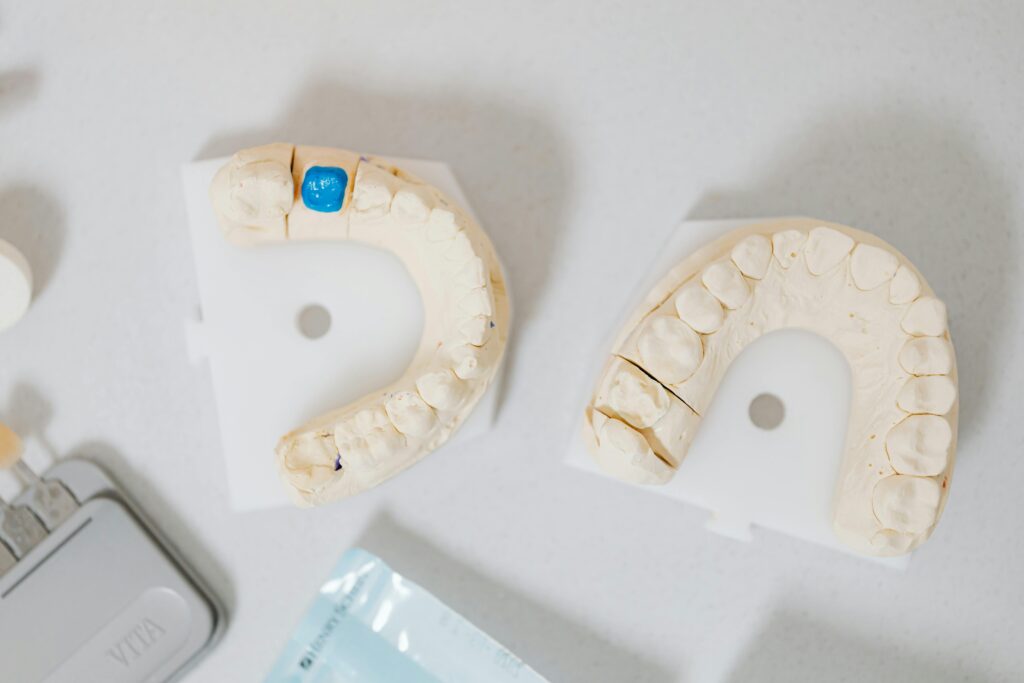
Teeth grinding has a way of sneaking up on people. Many patients do not realize they clench or grind until a partner hears the sound at night, or until a dentist points out flattened biting edges, cracked enamel, or unexplained jaw soreness. By the time the damage is visible, it has often been building for years.
One of the most common questions in this situation is whether dental crowns can fix the problem. The short answer is yes, dental crowns can help restore teeth that have already been damaged by grinding. They can rebuild strength, protect weakened structure, and improve comfort and appearance. But they are not a cure for grinding itself. That distinction matters, because a crown placed on a patient who continues to grind heavily without protection is still at risk.
The real value of crowns lies in using them thoughtfully, for the right teeth, at the right stage, and as part of a broader plan that addresses the forces causing the wear in the first place.
What grinding actually does to teeth
Grinding, often called bruxism, places intense pressure on the teeth and the surrounding system. During sleep, some people generate bite forces that are far stronger than what they use during normal chewing. Those forces repeat night after night, and the teeth begin to show it.
At first, the signs can be subtle. A person may notice increased tooth sensitivity, especially to cold foods. They may wake with tension headaches or tenderness near the temples. The front teeth may look slightly shorter than they used to. Small chips may appear on the edges. Fillings that once fit well begin to fracture or loosen.
As grinding progresses, the damage becomes harder to ignore. Enamel wears down, exposing the softer dentin beneath. Teeth can flatten, crack, or become structurally compromised. In some cases, patients who are only in their thirties or forties present with wear Dental Crowns patterns more typical of much older adults. I have also seen people who believed they simply had "small teeth" when in fact they had ground away millimeters of healthy tooth over time.
That wear is not only cosmetic. When enamel is lost, the tooth becomes more vulnerable to sensitivity, fractures, and decay around old restorations. The bite can also shift. Once several teeth lose height, the whole chewing system can become less stable, and that can contribute to muscle fatigue and jaw joint symptoms.
Where dental crowns fit in
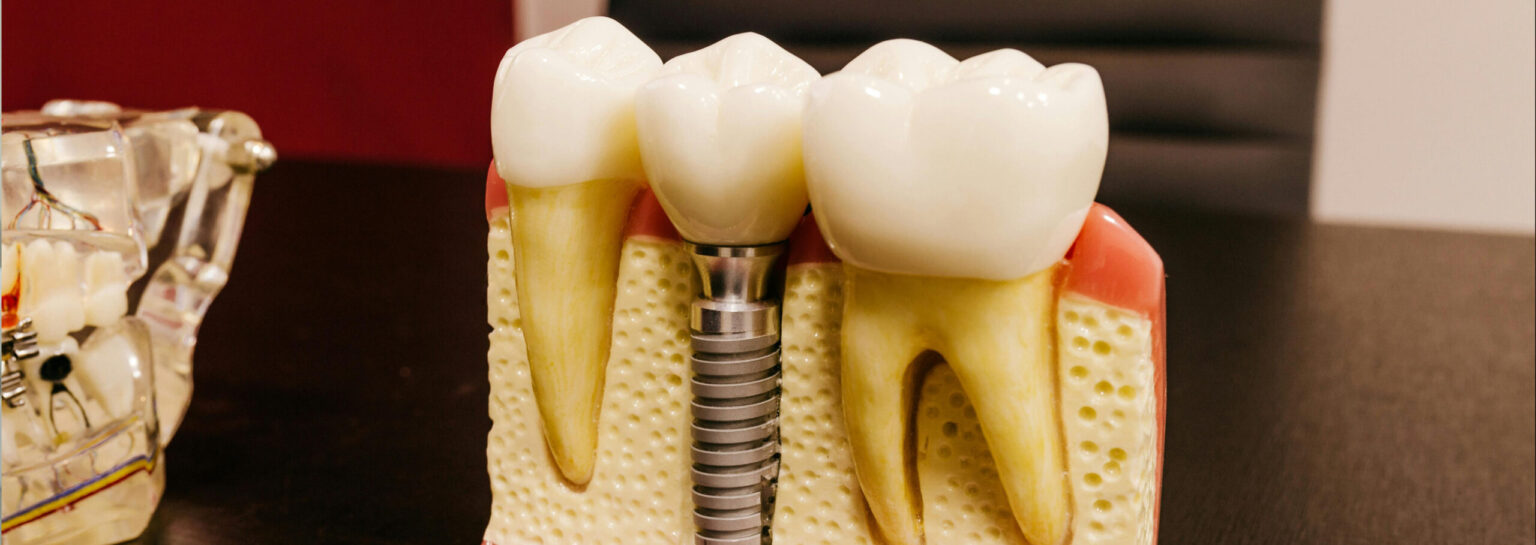
Dental crowns are protective caps that cover and reinforce a damaged tooth. When a tooth has been weakened by grinding, a crown can restore its shape, support its remaining structure, and help it function normally again.
This is particularly useful when a tooth has one or more of the following problems:
- A crack that threatens the tooth's strength
- Severe wear that has removed too much enamel
- A large filling that no longer supports the remaining tooth well
- Repeated chipping or breaking under bite pressure
- A tooth that has already needed root canal treatment and now needs reinforcement
A crown works by redistributing biting forces over the entire tooth rather than letting stress concentrate in one fragile area. That mechanical benefit is often why crowns succeed where fillings keep failing. A filling can replace missing material, but it does not wrap around the tooth. A crown does.
For a patient with teeth grinding damage, that difference can be crucial.
Crowns restore damage, they do not stop the grinding
This is the point patients need to hear clearly. Crowns help with the effects of grinding, not the cause.
If someone receives crowns and continues to grind without any management, the crowns can chip, fracture, loosen, or cause wear on opposing teeth. Even excellent dentistry has limits when subjected to constant overload.
That does not mean crowns are a poor choice. It means they need support. Most dentists who treat bruxism seriously will recommend a protective night guard after crowning worn or cracked teeth. If the patient also has muscle pain, headaches, or temporomandibular joint symptoms, the dentist may look at the bite, jaw habits, stress triggers, sleep patterns, or airway issues as well.
This is why good treatment planning matters more than the crown material alone. A beautifully made crown in the wrong environment is still vulnerable.
When a crown is the right answer, and when it is too much
Not every tooth worn by grinding needs a crown. This is where judgment comes in.
If the wear is mild and the tooth is still structurally strong, a dentist may recommend monitoring, a night guard, fluoride for sensitivity, or bonded composite to rebuild small areas conservatively. Crowning a tooth too early can remove healthy tooth structure unnecessarily. That is not ideal, especially in younger patients.
On the other hand, waiting too long can also be a mistake. Once cracks deepen or the tooth loses enough structure, a simpler repair may not hold. A patient might go through repeated patchwork fillings, only to end up needing a crown later anyway, after more tooth has broken away.
A dentist is usually weighing several factors at once: how much healthy tooth remains, whether there are cracks, where the damage is located, how heavy the grinding is, and whether the bite can be stabilized. Two teeth with similar wear may need different treatment depending on the patient's bite forces and habits.
Back teeth, especially molars, often need crowns sooner than front teeth because they absorb high chewing loads. Front teeth present a different challenge. They may be worn or shortened but not necessarily require full crowns if the goal is mainly to restore length and appearance. In some cases, bonding or veneers may be considered, though for active grinders those options also carry risk.
The crown materials matter, but not in a simple way
Patients often ask which crown material is "best" for grinding. There is no universal winner. The right material depends on the tooth, the space available, the patient's bite pattern, and the dentist's judgment.
Porcelain or ceramic crowns can look very natural, which makes them appealing for visible teeth. Modern ceramics can also be quite strong. But strength is only part of the story. A very hard material placed in a patient with severe bruxism may be durable itself while creating wear on the opposing natural tooth, especially if the bite is not well adjusted.
Zirconia is often discussed in this context because it is tough and can perform well in high-stress areas. Many dentists use it for grinders, particularly on molars. Still, zirconia is not magic. It needs proper design, correct thickness, and careful bite adjustment. Poorly polished or poorly positioned restorations can create new problems.
Porcelain fused to metal crowns remain useful in some cases because they combine strength with a more forgiving structure, though esthetic demands have shifted many practices toward metal-free options.
All-metal crowns, often gold alloy, have a long and respected track record in heavy function. They are kind to opposing teeth, highly durable, and require less tooth reduction than some other options. Their downside is obvious: appearance. Many patients do not want a gold-colored crown, especially in visible areas. Yet in certain back teeth, they remain one of the most practical restorations ever developed.
The best material is the one that matches the specific clinical situation, not the one with the best marketing.
What the process looks like for a grinder
The crown procedure itself usually feels routine to patients, but the planning behind it can be more involved when grinding is part of the picture.
A careful dentist will not only examine the damaged tooth but also study the overall wear pattern. Are the teeth uniformly flattened? Are the canines guiding movement properly, or has that guidance been lost? Is the patient fracturing fillings repeatedly on one side? Are there signs of clenching during the day as well as grinding at night?
Often, photographs, X-rays, and bite records help guide treatment. If multiple teeth are badly worn, the dentist may need to think beyond a single crown and consider how the whole bite fits together. Restoring one tooth to ideal anatomy in a severely worn mouth can create interferences if not planned properly.
For a single tooth, the process typically involves shaping the tooth, taking a digital scan or impression, placing a temporary crown, then cementing the final crown later. In straightforward cases, this is enough. In more advanced wear cases, the dentist may test changes in bite with temporary restorations before finalizing the treatment. That extra step can save a lot of trouble.
Patients are often surprised by how different a worn tooth feels once crowned. A tooth omnidentalspecialty.com Dental Crowns that had become sharp, sensitive, or fragile can feel solid again. Chewing may become easier. Temperature sensitivity often improves if the exposed dentin is fully covered. But the adjustment period can vary, especially if the new crown restores height that has been lost for years.
A crown can fail if the bigger picture is ignored
The most frustrating cases are not usually due to bad materials. They are due to incomplete planning.
Imagine a patient with severe nighttime grinding who gets two crowns on cracked molars but never receives a night guard. Six months later, one crown chips. The patient thinks the crown "didn't work." In reality, the restoration may have done its job under extremely difficult conditions for as long as it could.
Or consider the patient whose front teeth are heavily shortened. The dentist restores only the visible damage without addressing the collapsed bite. The new teeth look good, but the back teeth still drive destructive forces into the front. Soon the repairs begin to wear again.
Crowns are strongest when they are part of a system that includes protection and follow-up. In practice, that usually means:
- Treating the damaged tooth or teeth appropriately
- Identifying active grinding or clenching patterns
- Providing a custom night guard when indicated
- Adjusting the bite if high spots or interferences are present
- Monitoring the restorations regularly for wear, cracks, or changes
Patients sometimes resist the night guard because it feels like an extra cost after already investing in crowns. From a long-term standpoint, it is often the cheapest insurance they can buy. Replacing even one broken crown generally costs more than protecting a full set of restorations with a properly made guard.
How long do crowns last in people who grind?
This is a fair question, and the honest answer is that grinding tends to shorten the lifespan of almost any dental work.
In a low-risk patient with good oral hygiene and a stable bite, crowns can last well over a decade, often much longer. In a heavy grinder, the range can be more variable. Some crowns hold up beautifully for many years, especially if the patient wears a guard consistently. Others experience chipping, wear, or cement failure sooner.
Longevity depends on several real-world factors: crown design, material choice, the amount of remaining tooth structure, whether the tooth is alive or root canal treated, the patient's oral hygiene, and the severity of clenching forces. A person who lightly grinds a few nights a week is not the same as someone who clenches all day at work and grinds aggressively every night.
This is one reason experienced dentists avoid making lifetime promises about restorations in grinders. Good treatment can stack the odds in your favor. It cannot suspend the laws of force and fatigue.
Symptoms that suggest grinding damage may need more than a filling
Sometimes patients are told for years that they "just need a small filling" until the same tooth breaks again. That pattern can signal that the problem is less about decay and more about structural stress.
A crown may deserve discussion if you have a tooth that feels progressively weaker, a crack line that catches pressure, repeated breakage of the same corner, or a large old filling surrounded by thin remaining tooth walls. Sensitivity when biting is another clue. So is the sense that the teeth do not meet evenly anymore.
One common scenario involves a lower molar with an old silver or tooth-colored filling. The tooth has been absorbing grinding forces for years. At some point, a cusp fractures off. The patient comes in thinking it was a sudden accident, but the truth is that the fracture was brewing slowly. In that case, rebuilding with another large filling can be possible, but if the remaining walls are compromised, a crown usually offers better long-term resistance.
Crowns are not the only option, and that is a good thing
Good dentistry does not default to full coverage every time. There are cases where a more conservative route makes more sense.
Composite bonding can rebuild small worn edges, especially on front teeth. It is less invasive and easier to repair if it chips. The trade-off is that bonding may not tolerate heavy grinding as well as a crown, and it may stain or wear faster.
Onlays or partial crowns can be a middle ground for some back teeth. They cover the damaged portions while preserving more natural tooth than a full crown. When designed well, they can work very nicely, though case selection matters.
For patients with generalized wear across many teeth, full-mouth rehabilitation may be discussed, but that is a major project, not a casual recommendation. It requires detailed planning, time, and financial commitment. Some patients do better with phased treatment, focusing first on the teeth at highest risk of fracture and using protective appliances to slow further damage elsewhere.
The key is tailoring the treatment to the severity of the wear and the patient's goals. A person with one cracked molar and mild clenching needs a different plan than someone with widespread erosion, grinding, and collapsing bite height.
The role of a night guard after crowns
A custom night guard deserves its own section because it is often what determines whether crowns survive well in grinders.
A properly made guard does not simply put plastic between the teeth. It helps distribute forces more evenly, protects the surfaces of the teeth and restorations, and in many patients reduces the intensity of direct tooth-on-tooth damage. It may not stop muscle activity altogether, but it often limits the destruction that activity causes.
Store-bought guards can be better than nothing in some cases, but they are bulkier, less precise, and sometimes poorly tolerated. Worse, a poorly fitting appliance can alter the bite or concentrate pressure in unhelpful ways. For someone who has already invested in crowns, a custom-fitted guard is usually worth it.
Patients who wear their guard consistently tend to report fewer broken restorations and less morning soreness. That is not dramatic advertising, just what many dentists see over time.
Questions worth asking before you commit to crowns
If your dentist recommends a crown because of grinding damage, it helps to understand the reasoning. Ask what has been lost structurally, whether there are cracks, what alternative treatments exist, and how the grinding will be managed after the crown is placed.
It is also worth asking what material is being recommended and why. A thoughtful answer should connect the choice to your bite forces, the tooth's location, the amount of space available, and esthetic considerations. If the explanation sounds generic, ask for more detail.
Patients sometimes feel uneasy about crowning a tooth because it means reshaping natural tooth structure. That concern is valid. Crowns are not trivial. But when a tooth is already weakened enough, the choice is often not between a crown and doing nothing. It is between a crown now or a bigger problem later, such as a split tooth that cannot be saved.
So, can dental crowns help with teeth grinding damage?
Yes, often significantly. Dental Crowns can rebuild teeth that have been worn down, cracked, or repeatedly broken by grinding. They can improve strength, function, comfort, and appearance. In many cases, they are the most reliable way to save a tooth that has become too compromised for a simple filling.
Their success depends on context. The crown needs the right diagnosis, the right design, the right material, and protection from the same forces that caused the damage in the first place. Grinding is a mechanical problem as much as a dental one. If that mechanical problem remains active and unmanaged, even excellent restorations are asked to fight an unfair battle.
For patients dealing with bruxism, the best outcomes usually come from thinking beyond the single tooth. Restore what is damaged, protect what remains, and treat the grinding as an ongoing risk, not a one-time event. That is how crowns go from being a repair to being part of a durable solution.
Omni Dental Specialty
1690 E Gonzales Rd, Oxnard, CA 93036, United States
+1 805-410-9603
FAQ About Dental Crowns
How long do crowns last on teeth?
A dental crown often lasts about five to fifteen years, although some last longer. Material, the underlying tooth, oral hygiene and grinding habits affect longevity. Regular dental examinations help identify wear, decay or a loose crown; no lifespan is guaranteed.
How much does a tooth crown cost?
There is no single price for every crown. Material, laboratory work, the condition of the tooth and any additional treatment affect the fee. Ask for a written estimate and confirm your insurance benefits, exclusions and out-of-pocket costs before treatment.
What is the downside of crowns on teeth?
A conventional crown usually requires irreversible removal of some tooth structure. Possible problems include sensitivity, chipping, loosening and decay at the crown margin; some teeth later need root canal treatment. Discuss your tooth's condition, material choices and suitable alternatives with your dentist.